
The Real Reason You Should Send More Emails: A Lesson From My CPA
A surprising lesson in email marketing I learned from a cruise line and filing my taxes.
Whenever I tell someone that I work in email marketing, their typical response lands somewhere between confusion and, “Oh, so you’re the one sending me all those annoying sales emails?”
And to that I say….fair enough.
There are a lot of big brands who send annoying sales emails. I just mass unsubscribed to a bunch of newsletters the other day because, let’s be honest, I was never going to read them. (I love your bras, ThirdLove, but a girl can only buy so many… you know?)
As an email marketer, I don’t think there’s anything wrong with sending a lot of emails to your list. In fact, I’m not annoyed when my inbox gets flooded because:
At one point, I was interested in what this brand could offer me.
Selling is a necessary part of business.
I can unsubscribe any time I want.
And when you consider how well email marketing converts into sales, it makes even more sense for brands to send a lot of emails.
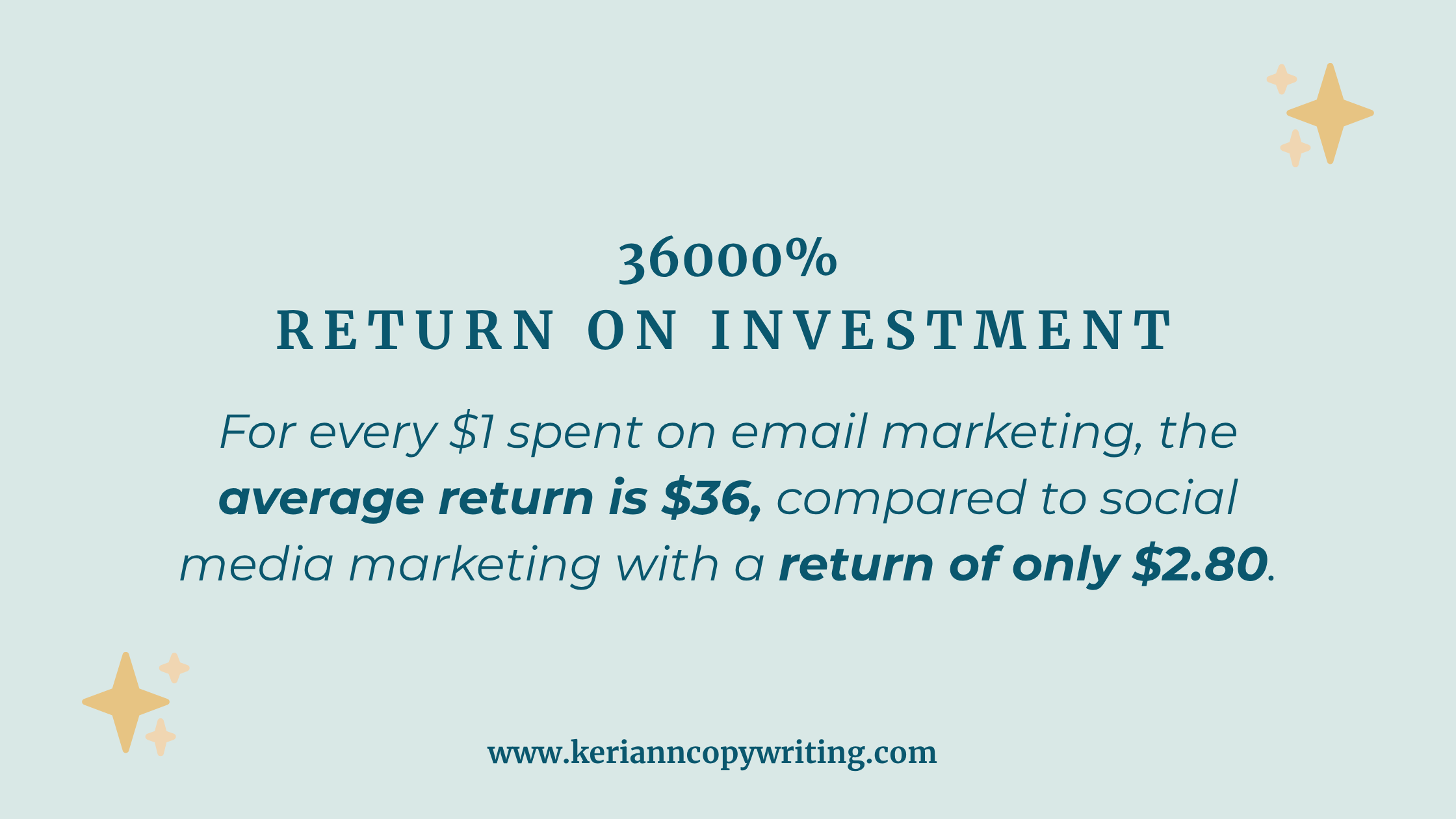
For every $1 spent on email marketing, the average return is $36 (source), compared to social media marketing with a return of only $2.80 (source).
And yet, I still hear from plenty of business owners who are afraid of annoying their subscribers if they start sending more emails.
That’s why I want to tell you a story about what my CPA taught me about email marketing. Let’s call her Sally…
How my tax appointment turned into an unexpected lesson in email marketing
I met Sally at her house for our annual appointment of doom and despair (a.k.a. filing my income taxes). As we waited for the tax software to update on her computer, we got to chatting about life and business over the past year.
Here’s something important you should know about Sally: She goes on a lot of cruises.
She’s cruised around Europe, the Mediterranean, Alaska, and much of the Caribbean. She spends about three months of the year filing taxes as a CPA, and the rest of the year booking as many cruises as she likes.
So imagine my surprise when the conversation shifted from cruise etiquette and which body of water is the most stunning to…. email marketing?!
When I asked Sally which cruise she was most excited to take this year, she pulled up the email app on her phone and started scrolling through dozens of unread sales emails.
With a mischievous glint in her eyes, she explained the method behind her madness:
She purposefully lets sales emails from cruise lines pile up in her inbox until she’s ready to review them one by one. If it's a destination she's already done or has zero interest in, she deletes the email. If it's somewhere new, or a deal that catches her eye, she saves the email for later.
And that’s how she decides which cruise to book next.

As an email marketer, I found this behavior fascinating, and honestly, a bit validating.
From the outside, her inbox looked like an overflowing pile of promotional emails she was never going to read. The sight of it would probably stress most people out. But to Sally, these emails weren’t spam at all. They were actually adding a ton of value to her life.
I want to challenge you to start viewing your email marketing strategy the same way.
These cruise lines weren’t afraid of bugging subscribers like Sally. They understand that more emails = more chances for someone to find the right solution for them.
And if someone was no longer interested in taking a cruise? Well… that’s what the unsubscribe button is for, my friend.
Why this matters for your email list
If people sign up for your email list, it means they want to hear from you. I’d even argue there’s a small handful of subscribers just like Sally who are stock piling your emails so they can read them later.
In marketing, we sometimes refer to these subscribers as lurkers. They’re the people in your audience consuming everything you create behind the scenes until they’re ready to buy. You just might not realize they’re there.
I have a folder in my business inbox labelled “newsletters” used for this exact purpose. I study other copywriters and coaches' email strategy so I can learn from them, and one day, potentially buy what they’re selling.
If sending more emails or selling too often still makes you uncomfortable, consider the cost of not selling enough.
Without those cruise line emails, my CPA would never have enjoyed a nice dinner with her granddaughter overlooking the Mediterranean sea. What experience will your subscribers miss out on?
Whether you choose to share free content, exclusive discounts and promotions, or simply sell your offers, email is one of the most effective tools you have for communicating with people who might want to work with you.
Don’t miss out.
How to send more emails without spamming your list
I get that “just send more emails” isn’t the most sophisticated email marketing strategy. If you’re ready to grow your list or start emailing people more frequently, there are a few strategies you can use to keep your list healthy and subscribers happy:
Strategy 1: Give people the option to opt-out
If sending sales emails during a launch or promotion typically boosts unsubscribe rates, give people the option to opt-out of receiving these specific campaigns. That way, they can remain on your email list and still receive the content they want, without receiving emails for an offer they aren’t interested in.
This can easily be accomplished by creating a mute tag in your email service provider (ex: Mute: [OFFER NAME] DATE), and setting up a link trigger so that anyone who clicks the opt-out link will be labelled with the mute tag. Then when you send your next email campaign or automation on that topic, you simply exclude subscribers with that tag.
Note: I would only use mute tags for specific launches and promotions versus ongoing. If you promote something once or twice a year, give people the option to opt out each time instead of applying a mute tag from a previous launch.
Here’s a helpful article from Kit explaining this strategy in more detail.
Strategy 2: Let subscribers choose their own frequency
If you're sending more than one weekly newsletter, consider adding a preference option (typically in your email footer) where people can choose to hear from you once a week instead of multiple times a week. This way, people can choose which type of content is most valuable to them without unsubscribing completely.
Here’s an example: maybe you have a podcast that you share with your email list every week, but there are a handful of subscribers who aren’t podcast listeners. They can update their preferences to stop receiving podcast episode notifications, and still get the rest of your content.
This is a great way to personalize your subscribers’ experience so they can set a cadence that works best for them.
Here is a great article from MailerLite explaining how they use the Preference Center on their platform.
Strategy 3: Clean your list regularly
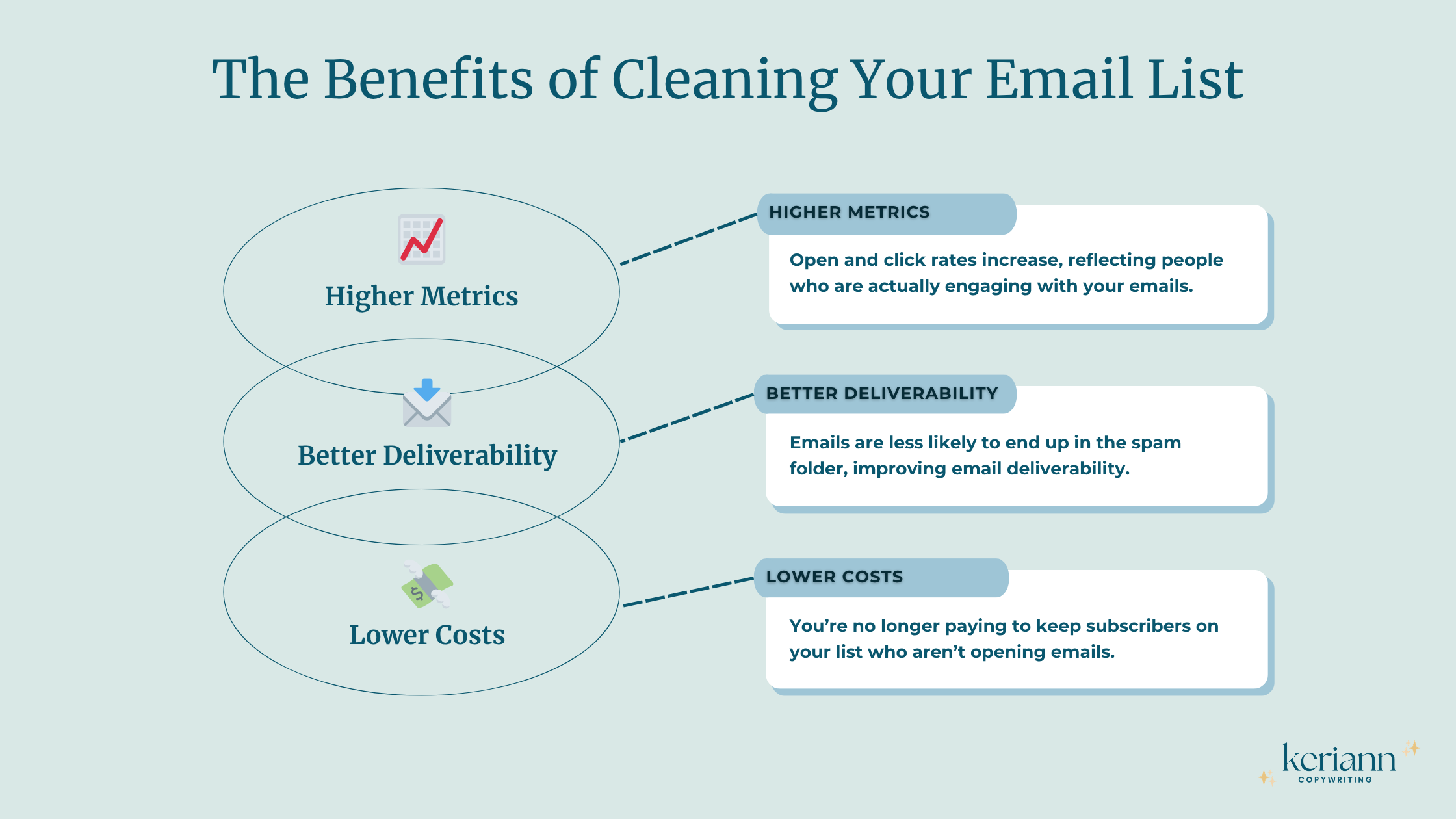
Set up an automation to remove cold subscribers — anyone who hasn't opened an email in the last 90 days. It may sound counterintuitive to purposefully unsubscribe people, but this has a few important benefits:
More accurate performance data: Your open and click rates will increase because they reflect people who are actually engaged in your emails regularly.
Better deliverability: Emails sent to cold subscribers are more likely to end up in spam, which can hurt your ability to reach everyone else on your list (including the people who want to hear from you!).
Lower costs: If you're on a paid plan based on subscriber count, you're no longer paying for people who aren’t opening your emails… win!
Most email service providers automatically segment cold subscribers on your list, making it super easy to identify and remove them.
As a courtesy, it’s always a good idea to send cold subscribers a few emails giving them a chance to remain on your list in case they’re still interested. Check out these free automation templates from Kit to learn more about how to set up a cold subscriber automation.
Strategy 4: Ask for replies
Email replies are one of the best signals you can send to email providers like Gmail, Yahoo, and Outlook. When people respond to your emails, it tells those providers you're a real person and not a spam bot, which improves your deliverability across the board.
More importantly, it’s also a great way to build real relationships. When someone replies and you reply back, it signals that you’re a real person sending the email, not just a brand blasting out content.
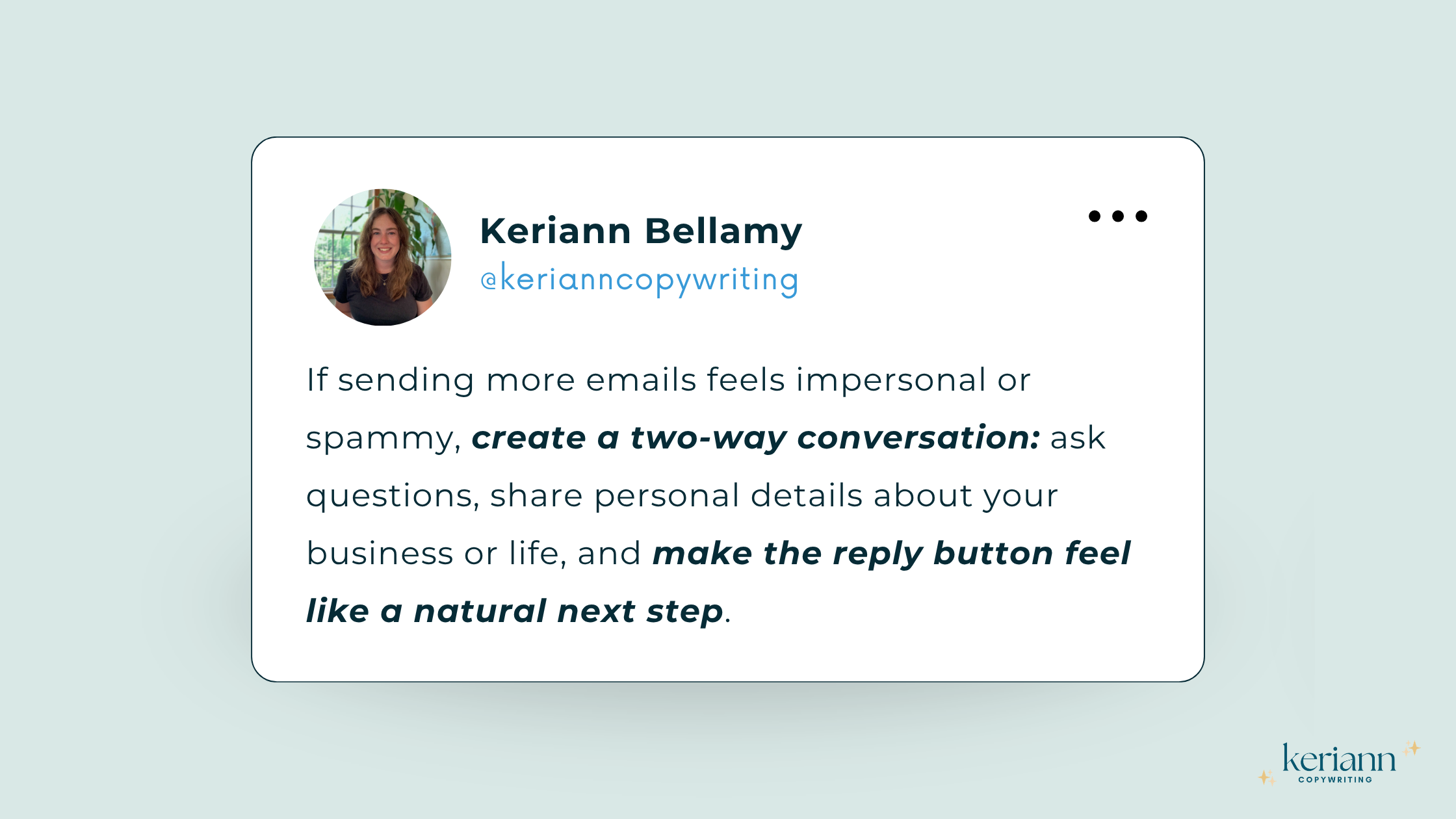
If sending more emails feels impersonal or spammy, create a two-way conversation: ask questions, share personal details about your business or life, and make the reply button feel like a natural next step.
How to start sending more emails
I hope today’s story inspired you to start sending more emails to your list. If you need support implementing the strategies I shared, or brainstorming content to delight your list, here are a few ways I can help:
Custom Email Sequences: You’ll get a custom email strategy and copy from me to help you welcome new subscribers or promote an upcoming launch.
Ongoing Newsletter Support: You’ll get monthly, done-for-you emails to share existing content and keep the conversation going.
Book a discovery call with me to learn more about how I can support you with email marketing so you can turn subscribers into dream clients, just like Sally:

Hey, there! I’m Keriann
I help online coaches, practitioners, and service providers turn their expertise into strategic and engaging content.
